
Doing DIY on the property should be something that is done with a lot of care and attention. When looking to do a project, there are things you should always be aware of and look for. As you read through our blog post, you will soon realise that it is important to understand that subsidence occurs on many properties to varying degrees, it is not just older properties or homes in areas prone to floods.
Put simply, underpinning is only required where subsidence is actively occurring, not as a preventative measure. In many cases, when subsidence initially occurs the structure reaches a state of equilibrium and there is no further danger to the property or its position.
We believe that it is always better safe than sorry with DIY and home renovation, so if you are unsure of anything before or during your work, it is always advisable and probably best to ask a professional for advice.
Cracks in Walls or Floors, is it normal?
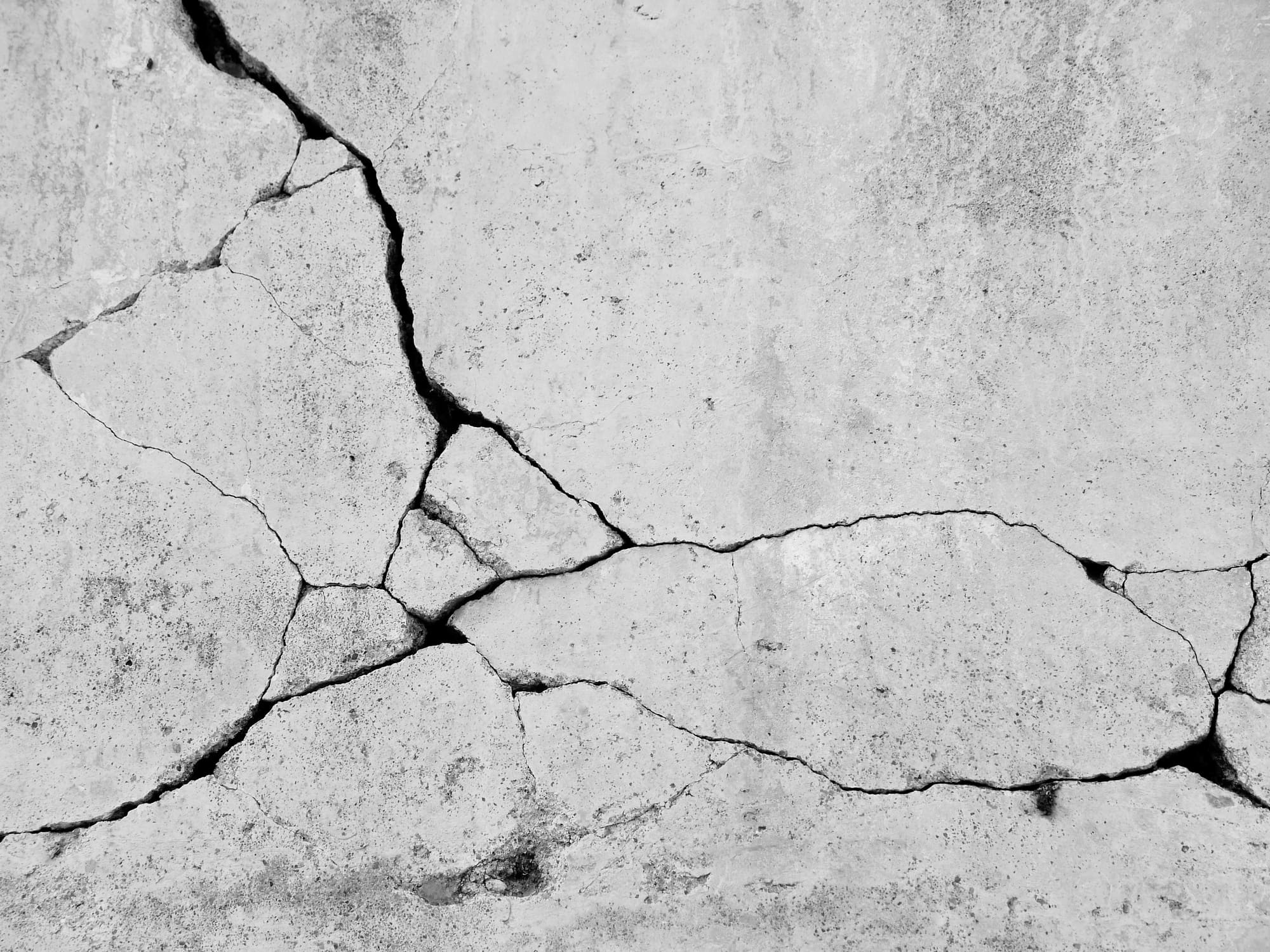
Cracks aren’t always as bad as they look, as sometimes they can be superficial, examples of which are minor or hairline cracks in plaster, cornices and skirting boards. When you find larger cracks, however, they usually point to bigger underlying problems, such as uneven weight distribution due to weak foundations around your home.
When searching for cracks, look for the ones that could be interiors, such as those in your plaster, walls and floor tiles, and those that are exterior in things such as brickwork, render, concrete slabs, etc.
Observing cracks over a period of weeks or months will help you determine if the cracks you’ve noticed get bigger, wider or longer, or if new cracks are appearing. Subsidence has likely run its course if they do not get bigger over this observation period.
What to do with unlevel floors
Cracks can often be found due to unlevel floors. A lean to one or more sides of your home is a sign that there are significant foundation issues to address. Sometimes, unlevel floors contribute to misaligned doors and generally, you can use a spirit level to get some idea of how unlevel a room is. To fully understand how significant this is usually will require a professional to come and assess the floor level issues.
Doors and windows: Alignment Not Right
When it comes to looking for alignment problems, doors and windows are often serious indicators of foundation problems. When there are gaps appearing and getting wider around your windows and doors, this can become a real problem if not addressed. If you are finding it hard to close or reopen your doors or windows or find it hard to lock them, this is an alignment issue.
